
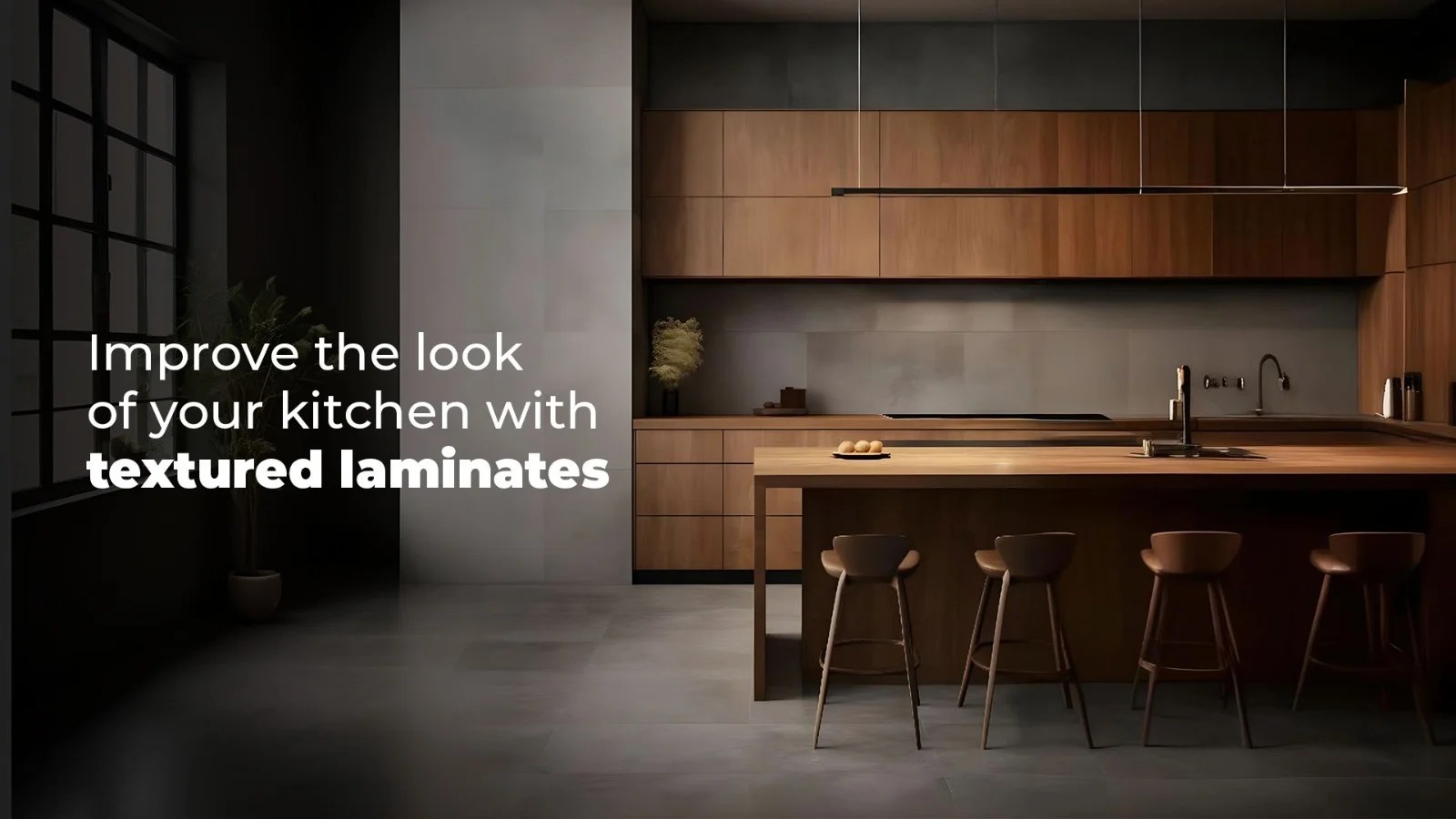
When planning a kitchen, most homeowners focus on cabinet colours, layouts, and countertops. However, one design element that often makes the biggest visual difference is the surface texture of the cabinets themselves. Even when two kitchens use the same colour palette, the one with thoughtfully selected textured laminates often feels warmer, richer, and more premium. Choosing laminates that complement your kitchen’s style and daily usage can make a noticeable difference in both appearance and functionality.
Unlike plain laminate finishes, textured laminates recreate the look and feel of natural materials such as wood, stone, leather, or concrete by adding subtle embossed patterns to the surface. These textures introduce depth and visual interest, making kitchen cabinets appear more realistic without the maintenance associated with natural materials.
That said, choosing the right texture is just as important as choosing the right color. Some textures are ideal for everyday kitchen cabinetry, while heavily grooved decorative finishes are better suited for feature applications where cleaning is less demanding. Understanding this difference helps you create a kitchen that looks beautiful while remaining practical for daily use.
So, whether you’re designing a new modular kitchen or renovating an existing one, this guide explains how textured laminates can enhance your kitchen’s appearance, which textures work best, and what to consider before making your final selection.
How Do Textured Laminates Improve the Look of a Kitchen?
Many people associate textured laminates with premium interiors, but their appeal goes beyond simply adding a decorative finish. Surface texture influences how light interacts with cabinets, how colors appear, and even how spacious a kitchen feels.
Instead of creating completely flat cabinet surfaces, textured laminates introduce subtle variations that make the kitchen feel more natural and visually balanced. This is why they are commonly used in modern modular kitchens where homeowners want a sophisticated appearance without excessive ornamentation.
A well-chosen texture can improve the overall look of a kitchen by:
- Adding depth and dimension to otherwise plain cabinet shutters.
- Creating a realistic wood or stone-inspired appearance.
- Making large cabinet surfaces feel less flat and repetitive.
- Softening reflections for a warmer and more inviting atmosphere.
- Introducing contrast without relying on bold colours or patterns.
The result is a kitchen that feels carefully designed rather than simply assembled from colored panels.
Choosing the Right Texture Matters More Than Choosing the Most Decorative One
One common misconception is that every textured laminate is equally suitable for kitchen applications. In reality, the best choice depends on where the kitchen laminate will be installed and how frequently that surface will be used.
For everyday kitchen cabinets, subtle embossed textures are generally the most practical. Woodgrain, leather, fabric, stone, and concrete-inspired textures provide visual richness while remaining relatively easy to clean during routine maintenance.
On the other hand, deeply grooved decorative surfaces such as fluted laminates are designed primarily to create architectural interest. Because their pronounced grooves can collect cooking oil, grease, and dust over time, they are generally better suited for feature walls, breakfast areas, living rooms, or other decorative applications rather than cabinet shutters located close to cooking zones.
This doesn’t mean fluted textures should never be used around kitchens—it simply means they are best placed where their design can be appreciated without creating unnecessary maintenance challenges.
Which Textured Laminates Work Best for Kitchens?
Not every kitchen follows the same design style, and the ideal texture often depends on the atmosphere you want to create. Rather than choosing the boldest pattern available, it’s usually better to select textures that complement the kitchen’s overall design.
Woodgrain Textures
Woodgrain remains one of the most preferred choices because it introduces warmth without making the kitchen feel heavy. Light oak, maple, ash, and walnut-inspired textures work particularly well in both contemporary and Scandinavian-style kitchens.
Stone-Inspired Textures
Stone textures provide the elegance of natural marble or granite while maintaining the practicality of decorative laminates. They are especially suitable for homeowners looking to achieve a refined, modern appearance.
Concrete Textures
Concrete-inspired laminates create a clean, understated look that complements industrial and minimalist interiors. Their subtle texture pairs beautifully with neutral color palettes.
Leather and Fabric Textures
These finishes offer a softer visual appeal than stone or wood. They are often used to create premium-looking tall cabinets or pantry units without drawing excessive attention.
Rather than following trends, selecting a laminate texture that matches your kitchen’s architecture and lighting usually produces a design that remains appealing for years.
Using Texture to Create Visual Balance in Your Kitchen
One of the biggest design mistakes is applying the same laminate finish across every visible surface. Kitchens become more attractive when smooth and textured surfaces are balanced thoughtfully.
For example, textured cabinet shutters can be paired with plain countertops, or a stone-textured pantry can be combined with smooth upper cabinets. This variation creates visual contrast without making the space feel crowded.
Similarly, combining light-coloured textured laminates with simple backsplashes often makes compact kitchens feel brighter while still adding enough detail to avoid a plain appearance.
Designing Different Kitchen Styles with Textured Laminates
One of the biggest advantages of textured laminates is their ability to adapt to different interior styles. Rather than changing the kitchen layout, selecting the right surface texture can completely transform the overall atmosphere of the space.
Modern Minimalist Kitchens
Minimalist kitchens focus on clean lines and uncluttered surfaces. Subtle concrete, fabric, or fine woodgrain textures add character without distracting from the simplicity of the design. These finishes work particularly well with neutral colour palettes such as white, grey, beige, and charcoal.
Warm Contemporary Kitchens
Homeowners who prefer a welcoming and timeless kitchen often choose natural wood-inspired textures. Oak, walnut, teak, or ash finishes bring warmth to the space while maintaining a refined appearance that suits both open and compact kitchens.
Industrial-Inspired Kitchens
Concrete-inspired textures complement black hardware, metal accents, and matte surfaces, creating an urban aesthetic without making the kitchen feel overly heavy.
Luxury Kitchen Interiors
Stone laminates when paired with elegant colour combinations create a premium appearance while remaining practical for everyday living. Instead of relying on highly decorative surfaces, luxury kitchens often achieve their appeal through carefully balanced textures and finishes.
Common Mistakes to Avoid When Choosing Textured Laminates for Kitchens
Selecting a textured laminate isn’t simply about choosing the design that looks best in a laminate catalogue. Considering how the kitchen is used every day can help create a space that remains both attractive and practical over the long term.
Choosing Highly Decorative Textures Everywhere
Textured finishes add visual interest, but using heavily embossed textures on every cabinet can make the kitchen appear visually busy. A balanced combination of textured and smoother surfaces usually creates a cleaner, more refined look.
Ignoring Cleaning Requirements
Some decorative textures are designed primarily for visual impact rather than everyday kitchen use. Deep grooves and intricate surface patterns can collect grease and dust more easily when installed close to cooking areas.
Choosing practical textures for frequently used cabinets while reserving more decorative finishes for feature applications creates a better balance between design and maintenance.
Following Trends Without Considering Your Home
Interior trends change regularly, but kitchens are designed to last for many years. Choosing textures that complement your home’s architecture and personal style often results in a design that remains appealing long after short-term trends have passed.
Focusing Only on Colour
Two laminates in the same colour can create completely different impressions depending on their surface texture. Considering colour and texture together helps create a more cohesive kitchen design.
Simple Tips to Make Textured Laminates Look Their Best
The appearance of textured laminates depends not only on the texture itself but also on how they are incorporated into the overall kitchen design.
Some practical design ideas include:
- Pair subtle woodgrain textures with solid-colour countertops to create visual balance.
- Use textured finishes on lower cabinets while keeping upper cabinets simpler for a lighter appearance.
- Combine natural wood textures with soft neutral colours to create a timeless kitchen.
- Introduce one dominant texture rather than mixing several bold patterns together.
- Choose textures that complement natural lighting to enhance depth without making the space feel darker.
These small design decisions often have a greater impact than selecting expensive materials alone. If you’re still deciding which surface finish best suits your project, our Types of Laminates Guide explains the different laminate finishes and their ideal applications throughout the home.
Caring for Textured Laminates in the Kitchen
Most kitchen-friendly textured laminates are designed to be easy to maintain with regular cleaning. Since kitchens naturally experience cooking vapours, moisture, and occasional oil splashes, routine care helps preserve the appearance of cabinet surfaces.
For regular maintenance:
- Wipe cabinet surfaces with a soft microfiber cloth.
- Remove grease or food splashes before they dry.
- Use mild cleaning solutions recommended for laminate surfaces.
- Avoid abrasive scrubbers or harsh chemicals.
- Dry the surface after cleaning to maintain a uniform finish.
For detailed cleaning methods, you can read our How to Clean Laminate Guide, which explains safe cleaning practices for different laminate finishes.
Conclusion
Textured laminates have the ability to transform a kitchen by adding depth, warmth, and character that plain surfaces often cannot achieve. However, creating a beautiful kitchen isn’t about choosing the most decorative texture – it’s about selecting finishes that complement your layout, lifestyle, and maintenance preferences.
Subtle wood, stone, leather, fabric, and concrete-inspired textures can enhance kitchen cabinets while remaining practical for everyday use. At the same time, more decorative textures with deeper grooves are often better reserved for feature applications where their design can be appreciated without increasing maintenance requirements.
By understanding how different textures influence both aesthetics and functionality, you can create a kitchen that feels inviting, well-balanced, and timeless. With the right combination of colours, finishes, and thoughtfully selected textured laminates, it’s possible to achieve a premium kitchen that remains both stylish and practical for years to come.
 Laminates Business