
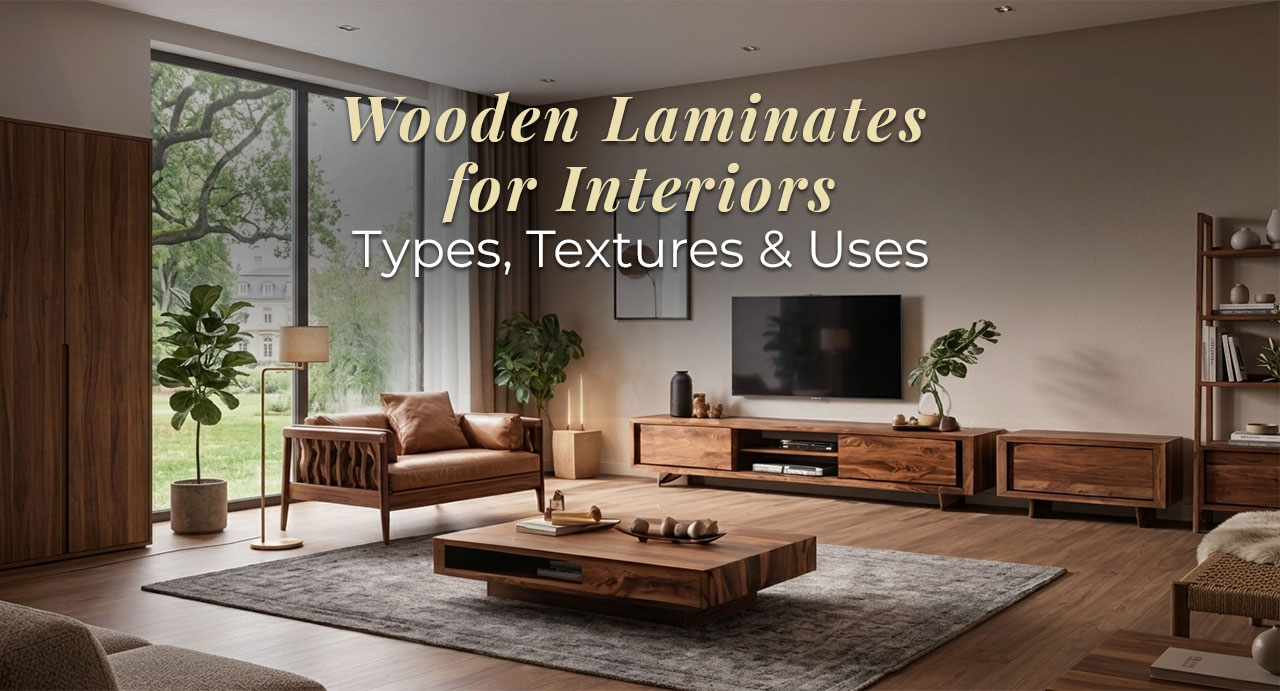
Wood has an enduring place in interior design. Its natural grain, warmth and earthy character can make everything from a wardrobe to a TV unit feel more refined. But using natural wood throughout an interior can involve higher costs, regular maintenance and limitations in achieving consistent colours and patterns. That is where wooden laminate comes in.
Designed to recreate the visual character of timber while offering a practical, consistent and easy-to-maintain surface, wooden laminates have become a versatile choice for contemporary homes, offices and commercial interiors. They are available in everything from warm teak and honey oak to deep walnut, mahogany and wenge, along with finishes such as matt, gloss, suede and fluted textures.
For homeowners looking for the best laminates for furniture, the real choice is not simply about picking the most attractive woodgrain. The right selection depends on the room, lighting, furniture style, desired finish, maintenance requirements, and budget.
This guide explores what wooden laminates are, their popular types, applications, benefits, pricing, and practical tips for selecting the right design for your furniture.
What is a Wooden Laminate?
A wooden laminate is a decorative surfacing material engineered to reproduce the appearance of natural wood. These sheets are manufactured by bonding layers of kraft paper and resins with a decorative layer that carries the wood pattern, followed by a protective surface layer. The finished sheet is commonly applied over substrates such as plywood or MDF.
Unlike solid timber, a wood-finish laminate provides a more consistent appearance. The grain, colour and pattern can be selected to suit a particular interior scheme without relying on the natural variations found in timber.
Depending on the product and application, wooden laminates can also offer resistance to everyday scratches, stains, abrasion and moisture. However, performance varies by laminate specification, so areas exposed to water, heat or heavy use should always be matched with an appropriate product.
Why Choose Wooden Laminates for Home Interiors?
The appeal is simple: they combine the visual warmth of wood with the practical advantages expected from a modern decorative surface.
Wooden laminates offer several design and practical benefits:
- Create a premium wood-inspired appearance
- Offer a wide selection of colours and grain patterns
- Provide consistent finishes across large furniture surfaces
- Require less maintenance than natural wood
- Work with contemporary, minimalist, traditional and luxury interiors
- Make it easier to coordinate wardrobes, cabinets, tables and wall panels
The result is a surface that looks intentional rather than merely functional.
Types of Wooden Laminates for Furniture and Interiors
Wood-inspired laminates can dramatically change the personality of a room. Warm teak feels timeless, walnut feels sophisticated, oak feels understated, and lighter woods can make compact interiors appear brighter.
Here are some popular options and how to use them effectively:
Teak Wooden Laminate for Wardrobes

Teak-inspired laminates are a classic choice when you want warmth without making a room feel overly formal. Their golden and brown undertones pair naturally with cream, beige, white and earthy colour palettes. For wardrobes, a teak pattern works particularly well in bedrooms that combine warm lighting, wooden flooring or neutral furniture.
Walnut Wooden Laminate for TV Units

Walnut laminate is ideal when the goal is depth and sophistication. Its darker brown character can turn a TV unit into a strong visual element, particularly when combined with warm lighting, stone, metal or neutral wall colours. For contemporary living rooms, a walnut TV unit can also create contrast against lighter walls.
Oak Wooden Laminate for Kitchen Cabinets

Oak is one of the easiest wood tones to incorporate into modern interiors. Its balanced colour and relatively subtle grain can work with both warm and cool palettes. For kitchen cabinets, lighter oak shade laminates can make cabinetry feel less visually heavy, particularly when paired with white countertops, neutral backsplashes or understated hardware.
Maple Wooden Laminate for Beds

Maple-inspired interiors are associated with lighter, softer wood tones that can create a fresh and spacious atmosphere. These laminates are particularly suitable for bedrooms where you want the furniture to blend rather than dominate.
Mahogany Wooden Laminate for Bedside Tables

Mahogany-inspired patterns bring reddish-brown depth and a more traditional sense of luxury. They can work particularly well on smaller furniture pieces where a richer colour can act as an accent. For bedside tables, a mahogany-tone laminate can complement upholstered beds, brass hardware and warm ambient lighting.
Ash Wooden Laminate for Office Desks

Ash-inspired designs are naturally suited to minimalist and Scandinavian-style interiors. Their lighter appearance and relatively clean grain can make workspaces feel bright and uncluttered. A subtly textured ash laminate can add visual interest without overwhelming a desk or workstation.
Cherry Wooden Laminate for Book Shelves

Cherry wooden tones can add warmth and character to bookshelves, particularly in studies, libraries and living rooms. The reddish-brown appearance works well with cream, off-white, charcoal and darker furniture.
Rosewood Wooden Laminate for Cupboards

Rosewood-inspired patterns are a strong choice for furniture where you want a rich, reddish-brown appearance. This wooden laminate can give cupboards a more substantial and luxurious character without the maintenance associated with polished timber.
Wenge Wooden Laminate for Dining Tables

Wenge-inspired finishes are ideal for interiors that call for darker, dramatic furniture. These deep brown-tone laminates work particularly well with contemporary dining spaces, metallic accents and lighter walls.
Popular Wood Tones for Laminates
Choosing the right wood tone is often more important than choosing a particular wood name. The same furniture design can feel completely different in a light or dark laminate.
Light Wood Laminates
Light wood laminates include shades inspired by oak, ash, maple, and lighter teak. They are especially useful when:
- The room has limited natural light
- You want furniture to look visually lighter
- The interior follows a minimalist or Scandinavian aesthetic
- You are working with a smaller room
- You want to pair wood with white, beige or pastel colours
Light wood surfaces can help create an airy appearance and are increasingly popular in contemporary interiors.
Dark Wood Laminates
Dark wood laminates include walnut, mahogany, wenge, and deeper teak-inspired shades. They are particularly effective when:
- The room is spacious
- You want a premium or dramatic appearance
- The furniture is intended to act as a focal point
- You have sufficient ambient or natural lighting
- You want to create contrast against light walls
Dark wood does not necessarily mean old-fashioned. Used selectively, a deep walnut or wenge surface can look distinctly modern.
Wooden Laminate Finishes and Textures
The wood pattern is only one part of the final appearance. The finish determines how light interacts with the surface and how much texture the furniture contributes to the room.
- Glossy Finish: Glossy wooden laminates reflect light and create a polished, contemporary appearance. They work especially well on statement furniture and modern TV units.
- Matt Finish: Matt wooden laminates offer a softer, understated appearance. They are a strong choice for bedrooms, wardrobes, offices and minimalist interiors where the wood grain should remain sophisticated rather than flashy.
- Suede Finish: A suede finish gives wood-inspired designs a softer visual character and can make the surface feel more refined. Ogaan’s current woodgrain range includes numerous suede finish designs, including teak, walnut, rosewood and cherry-inspired patterns.
- Textured Finish: Textured wooden laminates go beyond simply printing a wood pattern. Embossing and surface detailing can create a more tactile impression of grain, knots and timber texture. Modern manufacturing can reproduce these details with high-definition imaging and embossing technologies.
- Fluted Texture: Fluted wooden laminates feature vertical ribbed patterns that add depth and a sense of height, making them ideal for TV back panels, wardrobe shutters, headboards, room dividers, feature walls and reception counters.
- Acrylic Finish: Acrylic-style wood finish laminates are generally chosen when a sleek, highly contemporary appearance is required. When combined with wood-inspired colours or patterns, they can create a contrast between natural-looking warmth and modern reflectivity.
Best Applications of Wooden Laminates in Interior Design
One of the biggest strengths of wooden laminates is their versatility. They can be used across almost every major furniture category and several architectural surfaces.
1. Wardrobes
Wardrobes are among the most common applications. A light oak, ash or teak laminate blends into a bedroom, while walnut or darker wood makes the wardrobe a statement element. Choose a durable, easy-to-clean surface for wardrobes that receive frequent daily use.
2. TV Units
TV units are ideal for experimenting with darker wood tones, fluted designs and contrasting finishes. Walnut and teak-inspired laminates create a strong backdrop for the television without requiring extensive natural timber.
3. Kitchen Cabinets
Wooden laminates bring warmth to kitchens that might otherwise feel dominated by stone, tile and metal. Light oak and walnut work particularly well with neutral cabinetry and countertops. For areas exposed to moisture, select a laminate specified for the intended conditions and pay close attention to edge sealing and installation.
4. Beds and Headboards
Wood tones can make bedrooms feel warmer and more grounded. Light wood works well in compact bedrooms, while walnut, teak and mahogany-inspired finishes suit richer bedroom palettes.
5. Study Tables and Office Desks
Ash, oak and walnut are practical visual choices for workspaces. A subtle grain can add character without becoming distracting.
6. Bookshelves
Woodgrain laminates give bookshelves the appearance of built-in timber furniture while providing a broad selection of consistent colours and finishes.
7. Side Tables and Bedside Units
Smaller pieces are an excellent opportunity to use darker or richer wood tones as accents. Mahogany, rosewood and walnut-inspired laminates can add depth without making the entire room dark.
8. Wall Panels and Feature Walls
Wooden laminates can also be used beyond furniture. They can create coordinated wall panels behind beds, sofas, TV units and reception areas, helping connect different elements of an interior visually.
Benefits of Wooden Laminates
- Wood-Like Appearance: The primary attraction is their ability to recreate the visual warmth of natural timber through printed patterns, textures and modern embossing techniques.
- Design Variety: You are not restricted to what naturally occurs in a particular species of wood. Laminates are available in numerous colours, textures, patterns and surface finishes.
- Easy Maintenance: Unlike many natural wood surfaces, laminates generally do not need regular polishing or sealing. Routine cleaning with a soft cloth is usually sufficient, subject to the care instructions given by your laminate manufacturer.
- Everyday Durability: Quality laminates are designed to handle routine wear. Depending on specification, they can offer resistance to scratches, stains, abrasion and other everyday stresses.
- Consistent Appearance: Natural timber contains variations in grain, shade and knots. Laminates provide much greater consistency, which is particularly useful when matching several furniture pieces.
- Cost Efficiency: Wooden laminates can provide a wood-inspired appearance at a lower material cost than many solid-wood options, making them practical for larger furniture projects.
- Flexible Design: From Scandinavian light wood to dramatic walnut and wenge, wooden laminates can be adapted to a wide variety of interior styles.
Price of Wood Laminates in India
The price of wooden laminates in India generally ranges from ₹1,000 to ₹3,500 per sheet, depending on factors such as thickness, brand, design, finish, texture, and surface technology. Basic laminates are typically more affordable, while premium designs with specialised finishes and textures fall towards the higher end of the range.
For premium wooden laminate designs, Ogaan offers options priced from approximately ₹1,699 to ₹2,649 per sheet, with a selection of wood-inspired colours, patterns, and finishes for different interior applications.
However, the laminate sheet price is only one part of the overall furniture cost. The final budget may also include:
- Plywood or MDF substrate
- Laminate adhesive
- Edge treatment
- Carpenter or installation charges
- Hardware
- Fabrication
- Transportation
- Special finishes or detailing
Therefore, when comparing wooden laminate prices in India, consider the complete installed cost rather than the price of the laminate sheet alone.
Wooden Laminates vs Real Wood
Both wooden laminates and real wood materials have their place in interior design. The right choice depends on what you value most.
| Feature | Wooden Laminates | Real Wood |
|---|---|---|
| Appearance | Consistent wood-inspired patterns | Naturally unique grain and variation |
| Maintenance | Generally easy to clean | Often requires greater care |
| Design variety | Very broad range of colours and finishes | Determined by natural species and treatment |
| Cost | Generally more budget-friendly | Usually higher |
| Consistency | High | Natural variation |
| Repairs | Damaged sections may require replacement | Can sometimes be sanded or refinished |
| Moisture resistance | Yes, but depends on the product and installation. | Can be vulnerable to moisture and movement |
Wooden laminates are therefore particularly attractive when consistent premium appearance, easy maintenance, design flexibility and budget are priorities. Real wood remains compelling for people who specifically want genuine timber, natural variation and the possibility of refinishing.
How to Select the Perfect Wood Laminate for Your Furniture
The best wood laminate is not necessarily the darkest, glossiest, or most expensive option. It is the one that makes sense for the furniture and the room.
1. Start With the Room’s Lighting
Natural light changes how wood colours appear. A light oak or ash can keep a dim room feeling brighter, while dark walnut can work beautifully in a well-lit room.
2. Consider the Size of the Furniture
Large wardrobes or wall-to-wall cabinetry can become visually heavy in very dark finishes. For larger surfaces, consider lighter wood, subtle grain, or a combination of wood and solid-colour laminates.
3. Match the Interior Style
For minimalist interiors, ash, oak and pale wood create a clean, airy look. Walnut, smoked wood and deep teak suit contemporary luxury spaces, while teak, mahogany and rosewood-inspired patterns bring warmth and a classic character.
4. Choose the Finish Carefully
Think about how you want the furniture to look under lighting.
- Gloss: sleek and reflective
- Matt: understated and contemporary
- Suede: soft and refined
- Textured: tactile and natural-looking
- Fluted: architectural and decorative
5. Think About Usage
A bedside table, wardrobe and kitchen cabinet do not experience the same level of use.
For high-use furniture, prioritise the relevant durability, scratch, stain, heat and moisture specifications rather than choosing purely on appearance.
6. Coordinate, Don’t Match Everything
An interior does not need every wooden surface to be identical.
In fact, combining a light oak cabinet with a walnut TV unit or pairing a woodgrain wardrobe with a solid neutral accent can create more depth.
A useful rule is to select one dominant wood tone and one complementary wood tone, then use them consistently.
7. Check the Actual Sample
Digital screens can change how colours appear. Always compare a physical laminate sample with your flooring, wall colour, countertop, upholstery and lighting before placing a large order.
Conclusion
The right wooden laminate can bring together the different elements of a space, from the colour of the furniture to the room’s overall mood and functionality. Rather than choosing a design based only on how it looks in isolation, consider how its wood tone, finish and texture will work with your flooring, walls, lighting and existing décor.
Whether you prefer the warmth of teak, the richness of walnut, the subtle character of oak or the depth of darker wood tones, there is a laminate design to suit almost every interior style. The key is to choose a surface that complements your furniture while also meeting the practical demands of everyday use.
With the right combination of wooden laminate colour, finish, texture and application, furniture can feel more cohesive, purposeful and refined, while giving you the look of wood with the practical advantages of a modern laminate surface.
 Laminates Business