
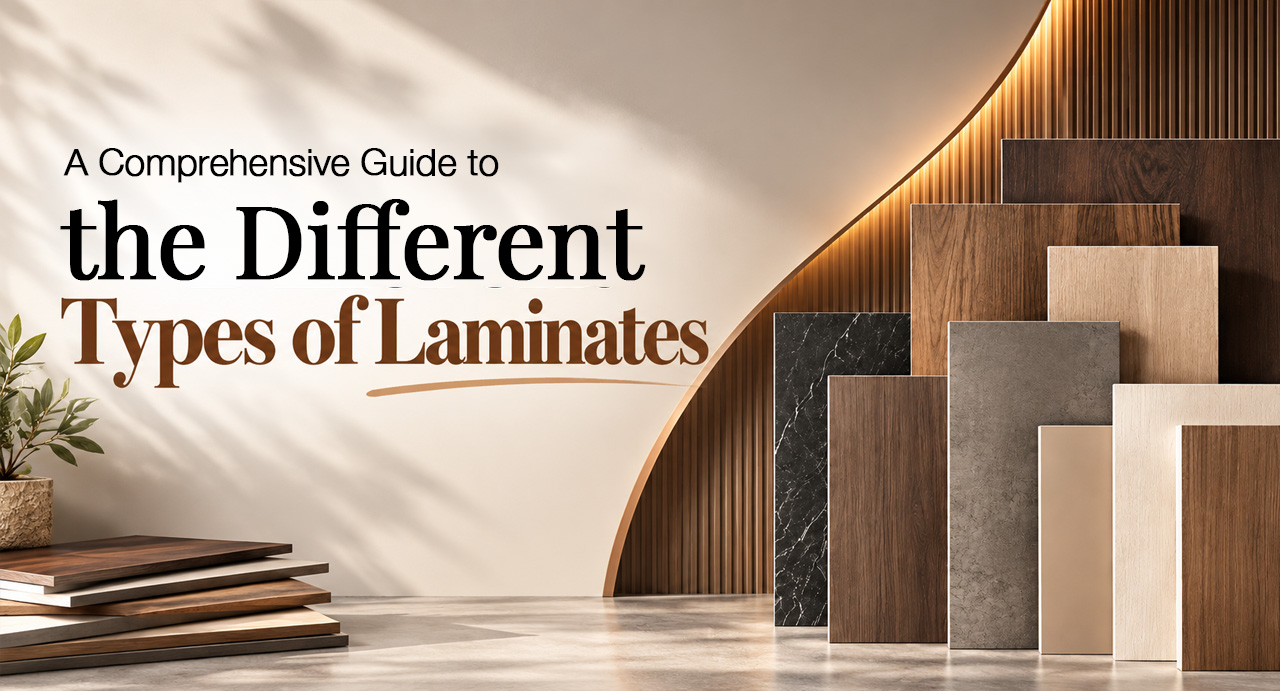
From elegant wardrobes to contemporary kitchens, stylish office furniture, and statement walls, laminates have become one of the most versatile surface solutions for modern interiors. With a wide range of colours, textures, finishes, and performance features, the types of laminates available today cater to diverse design preferences and functional requirements. As a trusted laminate manufacturer, we aim to simplify your selection process and help you find solutions that suit your application, style, and budget.
Understanding the different types of laminates is the first step towards making an informed choice. Each type offers specific aesthetic and performance benefits, meaning the ideal option for a kitchen may differ from one suited to wardrobes, offices, or commercial spaces. In this comprehensive guide, we explore the types of laminates based on application, construction, finish, and texture to help you achieve the right balance of aesthetics, durability, and functionality for your space.
What Are Laminates?
Laminates are engineered surface materials used to decorate and protect furniture, cabinetry, doors, wall panels, countertops, partitions, and other surfaces. They are generally made by combining layers of resin-treated paper and pressing them together under controlled heat and pressure. A decorative layer provides the visible design, while the outer surface helps improve durability and protect the finish during everyday use.
One of the biggest advantages of laminates is their design flexibility. They are available in colours ranging from subtle neutrals to bold shades, along with finishes that can replicate wood, stone, fabric, metal, and other materials. This makes laminates suitable for almost every interior style. Whether the objective is a warm natural look, a luxurious contemporary appearance, or a clean minimalist design, there is a laminate option to complement the space.
How Are Laminates Manufactured? A Glimpse Into the Process
The manufacturing process has a direct impact on the appearance, quality, and performance of a laminate. A typical laminate is made from multiple layers. Kraft paper provides structural strength, while the decorative paper determines the visible pattern or colour. A protective surface layer may then be added to enhance resistance and preserve the appearance. These layers are impregnated with resin before being combined under controlled temperature and pressure. The manufacturing method can vary depending on the type of laminate being produced and the level of performance required.
High Pressure Laminates, for example, are made using a process that consolidates several resin-treated layers under higher pressure. This creates a dense and durable surface suitable for demanding applications. Low Pressure Laminates use a different bonding process and are commonly selected for furniture and lighter interior applications. Modern laminate manufacturing also allows manufacturers to produce specialised finishes, textures, surface properties, and application-specific products for residential, commercial, and architectural projects.
Different Types of Laminates Based on Application
Choosing the right types of laminates based on their application is just as important as considering their appearance. As a trusted laminate manufacturer, we understand that a bedroom wardrobe, commercial countertop, and exterior panel each require specific surface properties to achieve the ideal balance of aesthetics, durability, and performance.
1. Decorative Laminates: Aesthetic and Versatile Surface Options

Decorative laminates are among the most widely used types of laminates in interior design. Their biggest advantage is the combination of visual variety and practical performance. They are available in numerous colours, patterns, wood-inspired designs, stone-inspired finishes, and textures. This makes them suitable for wardrobes, kitchen cabinets, furniture, doors, wall panels, office furniture, and residential interiors. Decorative laminates are particularly useful when you want the visual character of a premium material without the maintenance associated with some natural surfaces. They also make it easier to create consistency across an interior by using complementary patterns and finishes across multiple applications.
2. High-Pressure Laminates (HPL): Built for Durability and Performance

High Pressure Laminates, commonly known as HPL, are designed for applications that demand greater durability and regular everyday use. They are frequently used for countertops, tables, office furniture, cabinets, doors, wall applications, and commercial interiors. Their dense construction makes them a suitable choice where the surface may experience frequent contact, abrasion, or impact. HPL also offers considerable design flexibility. It is available in a wide range of colours, patterns, textures, and finishes, allowing performance and aesthetics to work together. For demanding environments, selecting the appropriate HPL specification is important. The right product should be matched to the expected level of use, substrate, installation method, and surrounding conditions.
3. Low-Pressure Laminates (LPL): Practical and Budget-Friendly Solutions
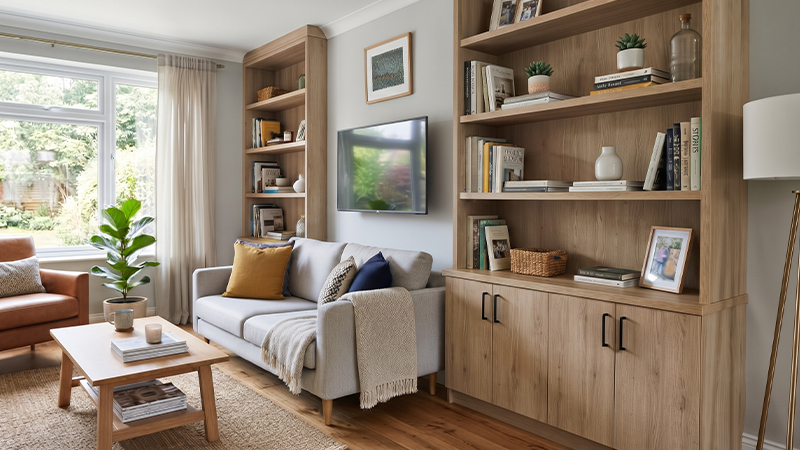
Low Pressure Laminates, or LPL, are often selected for applications where affordability and decorative appeal are key considerations. They are commonly used for furniture, shelving, wardrobes, desks, cabinets, and other interior surfaces that experience moderate use. One of the main advantages of LPL is that it provides an attractive finished surface while keeping material costs more manageable. This makes it a practical choice for many residential and light commercial applications. However, LPL may not be the best solution for surfaces exposed to intense heat, heavy abrasion, frequent impact, or challenging environmental conditions. Understanding the demands of the application is essential before making a selection.
4. Compact Laminates: Strong, Moisture-Resistant Solutions
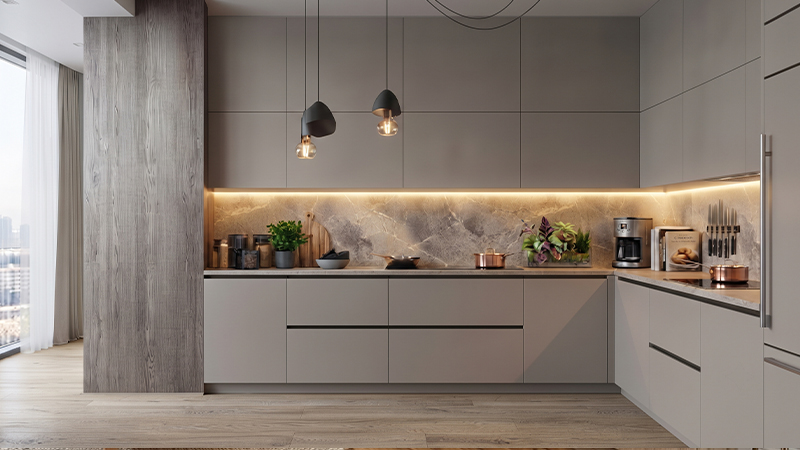
Compact laminates are thicker and more rigid than conventional laminate sheets. Their structure allows them to provide both surface performance and greater panel strength. They are particularly useful in environments where moisture resistance, durability, and frequent use are important considerations. Common applications include washroom partitions, lockers, laboratory furniture, commercial interiors, work surfaces, and other high-use environments. Compact laminates can also offer a clean and contemporary appearance, making them useful in projects where functionality and design need to work together.
5. Post-Forming Laminates: Ideal for Curved Edges and Surfaces
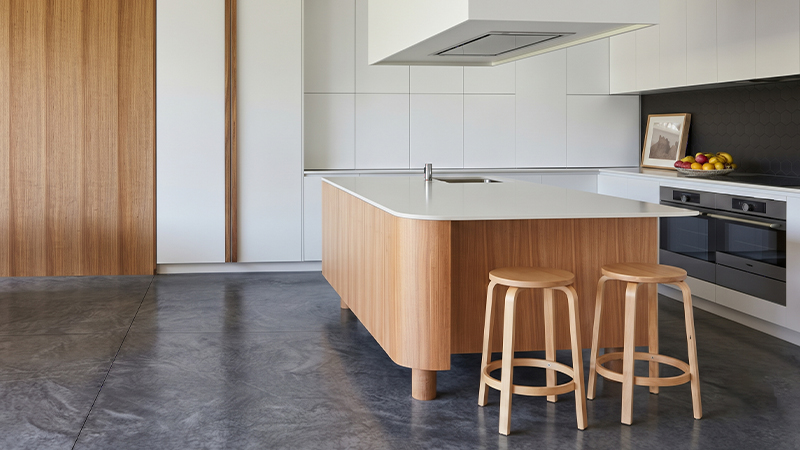
Post-forming laminates are designed for applications that involve rounded or curved edges. They can be formed around suitable curves using the correct production and installation techniques, making them particularly useful for countertops, desks, counters, and furniture with rounded profiles. One of the key benefits is the ability to achieve a more continuous visual appearance around an edge. This can create a cleaner and more refined look compared with designs that require visible joins. Proper installation is essential, and the manufacturer’s guidelines should always be followed when forming and applying these laminates.
6. Exterior Laminates: Designed for Outdoor Applications
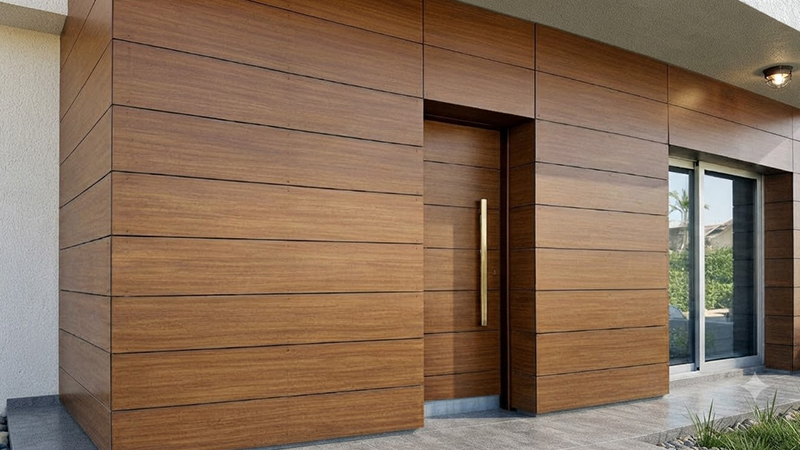
Exterior laminates are developed specifically for applications where surfaces are exposed to outdoor conditions. Unlike standard interior laminates, they are designed with environmental factors such as sunlight, moisture, and temperature variation in mind. They can be considered for exterior cladding, balconies, outdoor furniture, facades, and other architectural applications. The right exterior laminate should be selected based on factors such as ultraviolet resistance, moisture resistance, dimensional stability, installation requirements, and expected exposure.
Different Types of Laminates Based on Finish
The different types of laminates based on finish include high gloss, matt, suede, and metallic options, each offering a distinct look and feel. Understanding these finishes helps you choose the right laminate for your interior design, balancing aesthetics, functionality, and ease of maintenance.
1. High Gloss Laminates: Sleek, Reflective Finishes for Modern Interiors
High gloss laminates feature a smooth and reflective surface that creates a sleek contemporary appearance. They are commonly used for modern kitchens, wardrobes, display units, furniture, and statement pieces. Their reflective quality can also help make interiors appear brighter and more open. The trade-off is that fingerprints, dust, and minor marks can be more visible on highly reflective surfaces, so regular cleaning may be necessary.
2. Matt Laminates: Smooth, Subtle Finishes With a Sophisticated Look
Matt laminates provide a soft, low-reflection finish that gives interiors a calm and sophisticated appearance. They work particularly well in bedrooms, kitchens, wardrobes, office furniture, and modern living spaces where subtle elegance is preferred over high shine. Matt finishes can also create a more understated visual effect and pair easily with wood, stone, metal, and other materials.
3. Suede Laminates: Soft-Touch Finishes for Elegant Interior Spaces
Suede laminates are known for their soft-touch surface and distinctive tactile feel. They can introduce warmth and a premium character to wardrobes, furniture, wall panels, and other interior applications. This type of finish is particularly effective when the goal is to create an inviting space with a luxurious yet understated appearance.
4. Metallic Laminates: Contemporary Finishes With a Distinctive Shine
Metallic laminates offer a striking surface inspired by the appearance of metal. They can be used to create feature furniture, accent panels, office interiors, retail spaces, hospitality environments, and contemporary residential designs. Depending on the colour and surrounding materials, metallic laminates can create anything from an industrial look to a luxurious modern statement.
Different Types of Laminates Based on Texture
The different types of laminates based on texture include wooden, fluted, leather, fabric, marble, rustic, patterned, shimmer, and floral designs. Each texture adds unique visual character and depth, making it easier to select laminates that complement your furniture, décor, and overall interior style.
1. Wooden Laminates: Natural Wood Appeal for Timeless Interiors
Wooden laminates replicate the appearance of natural wood through realistic grain patterns, knots, and wood-inspired shades. They are an excellent choice for wardrobes, kitchen cabinets, doors, furniture, wall panels, and office interiors. Available in a variety of tones, from light oak and warm teak to rich walnut-inspired finishes, wooden laminates complement both traditional and contemporary design styles. They offer the warmth and visual character of wood while providing a practical surface that is generally easier to maintain than many natural wood finishes.
2. Fluted Laminates: Distinctive Linear Textures for Contemporary Spaces
Fluted laminates feature linear, ribbed, or grooved patterns that add depth, dimension, and visual interest to interior surfaces. Their structured appearance makes them particularly suitable for feature walls, wardrobe shutters, cabinetry, reception desks, and decorative furniture. Depending on the pattern and colour, fluted laminates can create a subtle architectural detail or a bold design statement. They work especially well in contemporary and minimalist interiors where texture can enhance the overall look without relying on elaborate colours or decorative elements.
3. Leather Laminates: Refined Textures for a Premium Interior Look
Leather laminates recreate the visual appeal of leather through distinctive grain patterns and tactile surface textures. They introduce a sense of warmth, sophistication, and understated luxury to furniture, wardrobe shutters, wall panels, headboards, and selected office interiors. Available in various colours and textures, leather laminates can complement both dark, rich interiors and neutral contemporary spaces. They are particularly effective when used as accent surfaces, helping create an elegant appearance without the upkeep associated with certain natural materials.
4. Fabric Laminates: Textile-Inspired Textures for Subtle Sophistication
Fabric laminates capture the appearance of woven textiles through patterns that resemble linen, canvas, and other fabric surfaces. They add visual softness and texture while retaining the practical characteristics of a hard decorative surface. These sunmica sheets can be used for wardrobes, cabinetry, furniture, wall panels, office interiors, and decorative partitions. Their understated appearance makes them suitable for spaces where a balanced, comfortable, and contemporary aesthetic is desired. Fabric-inspired laminates also pair well with wood finishes, neutral colours, and other tactile surfaces to create a coordinated interior design.
5. Marble Laminates: Elegant Stone-Inspired Designs for Modern Interiors
Marble laminates reproduce the distinctive veining, colour variations, and refined appearance of natural marble. They are available in a range of designs, from classic white marble-inspired patterns to darker shades with bold veining and dramatic contrasts. Common applications include furniture, cabinetry, wall panels, wardrobes, and decorative surfaces. Marble laminates offer a practical way to introduce a stone-inspired aesthetic into an interior without using natural marble for every application. Their versatility makes them suitable for both luxurious contemporary spaces and understated modern designs.
6. Rustic Laminates: Characterful Finishes With an Organic Appeal
Rustic laminates draw inspiration from weathered wood, distressed finishes, natural grain variations, and earthy textures. Their slightly aged or rugged appearance adds character and warmth to interiors, making them suitable for accent walls, furniture, wardrobes, cabinetry, and hospitality spaces. Rustic laminates work particularly well in industrial, farmhouse-inspired, and contemporary interiors that incorporate natural-looking materials. Paired with metal accents, neutral shades, or other wood-inspired finishes, they can create an inviting environment with a distinctive, lived-in character.
7. Patterned Laminates: Creative Designs for Statement Interiors
Patterned laminates feature decorative motifs, geometric shapes, abstract compositions, and other repeating or artistic designs. They are ideal for adding personality to furniture, wardrobe shutters, cabinetry, wall panels, retail interiors, and selected commercial spaces. Depending on the design, patterned laminates can create a bold focal point or introduce subtle decorative detail. They are particularly useful when a project calls for more visual interest than a plain colour or conventional woodgrain can provide. For a balanced result, patterned surfaces can be paired with simpler finishes that allow the design to stand out without overwhelming the space.
8. Shimmer Laminates: Subtle Sparkle for Elegant Decorative Accents
Shimmer laminates incorporate a delicate sparkle or reflective effect that adds dimension and visual interest to interior surfaces. Their appearance can range from understated, fine-grained shimmer to more pronounced decorative effects, depending on the design. They are commonly considered for wardrobe shutters, display units, decorative panels, furniture, and selected feature surfaces. Shimmer laminates can introduce a touch of glamour into contemporary interiors, particularly when combined with neutral colours, metallic accents, or complementary matte finishes. Using them selectively can help maintain a sophisticated appearance while creating an attractive focal point.
9. Floral Laminates: Nature-Inspired Patterns for Expressive Interiors
Floral laminates feature flower motifs, botanical illustrations, and nature-inspired decorative patterns that bring colour and character to interior spaces. They can be used for wardrobe shutters, furniture, decorative wall panels, cabinetry, and selected residential or commercial applications. Depending on the scale and colour palette of the design, floral sunmica can create anything from a delicate, understated look to a vibrant statement surface. They work particularly well in spaces where a decorative element is needed to soften clean architectural lines or introduce a natural theme into the interior. Pairing floral laminates with plain colours or restrained textures can create a cohesive and visually balanced design.
Advantages and Disadvantages of Different Types of Laminates
Different types of laminates offer different benefits depending on their construction, intended application, and surface requirements. While some are designed for demanding environments, others are better suited to furniture, decorative applications, and budget-conscious interior projects. Understanding the advantages and limitations of each option can help you make a more informed decision.
High-Pressure Laminates (HPL)
Advantages of High-Pressure Laminates:
High-pressure laminates are valued for their durability, versatility, and suitability for surfaces that experience frequent use. They are available in a wide variety of colours, patterns, textures, and finishes, making it easier to combine practical performance with design flexibility. When selected and installed correctly, HPL can be an effective solution for countertops, office furniture, cabinetry, and other demanding interior applications.
Disadvantages of High-Pressure Laminates:
HPL can involve a higher initial material cost than some lighter-duty laminate options. Its overall performance also depends on selecting the right grade, using a compatible substrate and adhesive, and ensuring proper installation and edge finishing. For this reason, the application requirements should be assessed before choosing an HPL product.
Low-Pressure Laminates (LPL)
Advantages of Low-Pressure Laminates:
Low-pressure laminates are a practical and economical choice for a variety of furniture and interior applications. They offer decorative versatility across different colours, patterns, and finishes while helping keep project costs manageable. LPL is commonly used for wardrobes, shelving, desks, cabinets, and other surfaces where the product specification aligns with the expected level of use.
Disadvantages of Low-Pressure Laminates:
Compared with suitable HPL products, LPL may be less appropriate for applications that demand higher levels of surface durability or resistance to wear. Its performance depends on the product specification, substrate, and surrounding conditions. It is therefore important to match the laminate to the intended application rather than choosing it on price alone.
Decorative Laminates
Advantages of Decorative Laminates:
Decorative laminates offer extensive design flexibility, making them suitable for a wide range of residential and commercial interiors. Available in numerous colours, woodgrain patterns, stone-inspired designs, and surface finishes, they can complement different interior styles while creating a coordinated appearance across furniture, cabinetry, doors, and wall panels. They also provide a practical alternative to many natural-material finishes, with maintenance requirements that are generally straightforward when the manufacturer’s care instructions are followed.
Disadvantages of Decorative Laminates:
The performance of decorative laminates can vary depending on their construction, grade, and intended use. A product selected primarily for its appearance may not provide the performance required for a high-use or moisture-prone application. Choosing the appropriate specification and ensuring correct installation are therefore essential for achieving a suitable balance between aesthetics, durability, and long-term value.
How to Choose the Right Laminate: Key Factors to Consider
Choosing the right sunmica involves more than selecting a colour or finish. The best option is one that complements your interior design while meeting the practical requirements of the space. By considering the following factors, you can identify a type of laminate that offers the right balance of appearance, performance, maintenance, and cost.
Application:
Start by identifying where the laminate will be installed. Wardrobes, kitchen cabinets, countertops, office furniture, and wall panels have different functional requirements. Understanding how the surface will be used helps narrow down the most suitable laminate type.
Durability:
Consider how frequently the surface will be handled and how much wear it is likely to experience. High-use areas may benefit from a suitably specified high-pressure laminate, while furniture and other lighter-duty applications may be well served by alternative laminate products.
Moisture and Heat Resistance:
Kitchens, utility areas, and other environments exposed to moisture or heat require particular attention to product suitability. Check the manufacturer’s specifications for the relevant resistance properties, and ensure that the selected laminate is appropriate for the intended conditions.
Finish and Texture:
The finish influences both the appearance and everyday upkeep of a surface. High-gloss laminates create a reflective, contemporary look, while matt finishes provide a more understated appearance. Woodgrain, stone-inspired, suede, and other textured laminates can add depth and character to an interior. Consider the overall design scheme as well as cleaning and maintenance requirements before making a choice.
Substrate and Installation:
A mica sheet performs as part of a complete surface system. The underlying board or panel, adhesive, edge treatment, and installation method should be compatible with the selected product. Following the manufacturer’s recommendations helps achieve a neat finish and supports the intended performance of the laminate.
Budget and Long-Term Value:
Compare sunmica options based on their initial cost, intended use, maintenance requirements, appearance, and expected service life. A lower purchase price does not always represent the best overall value if the product is unsuitable for the application. Choosing the right specification from the outset can help avoid unnecessary replacement or repair costs.
Manufacturer and Product Quality:
A reliable laminate manufacturer should offer a consistent product range, clear technical specifications, diverse designs and finishes, and appropriate application guidance. Reviewing these factors can help you select a laminate that meets your project requirements and supports a more dependable installation.
Conclusion: Finding the Right Laminate for Your Needs
Choosing the right laminate begins with understanding the different types of laminates available and how each meets specific design and performance requirements. From decorative and high-pressure laminates to low-pressure, compact, post-forming, and exterior laminates, each serves a distinct purpose. The choice of finish and texture is equally important, whether you prefer the reflective appeal of high-gloss surfaces, the understated elegance of matt finishes, the tactile character of suede, or the natural look of wood and stone-inspired designs.
To make an informed choice, consider the intended application, expected wear, environmental conditions, maintenance requirements, substrate compatibility, and budget. As a trusted laminate manufacturer, we recommend reviewing product specifications to identify the most suitable solution for your project. By balancing aesthetics with practical needs, you can choose a laminate that complements your interior, delivers reliable performance, and offers lasting value.
 Laminates Business