
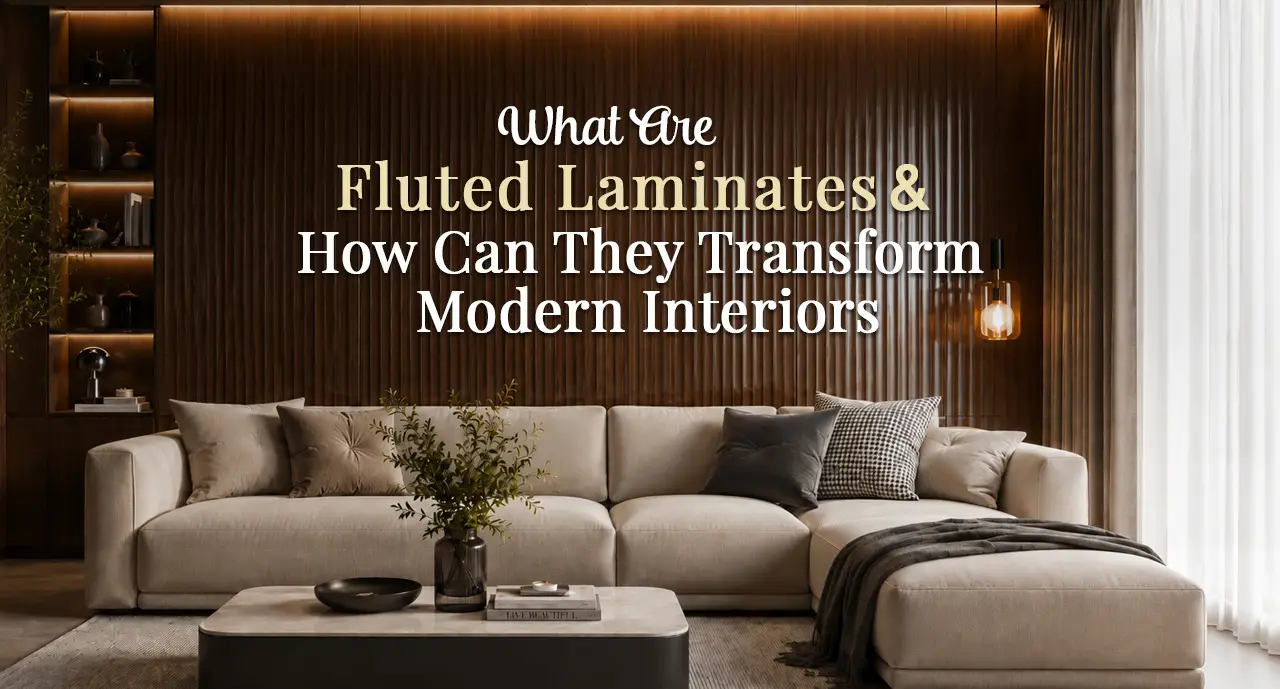
Modern interiors are no longer defined by flat, uniform surfaces. Homeowners and designers are increasingly looking for materials that add depth, texture, and character while maintaining a clean, contemporary look. Fluted laminates have emerged as a versatile design choice used primarily for vertical surfaces, such as walls, furniture fronts, partitions, cabinetry, wardrobes, and doors. Their distinctive fluted detailing adds dimension and visual interest to these surfaces while maintaining a clean, contemporary appearance.
Their structured detailing can enhance otherwise simple vertical surfaces, while different patterns and finishes open up possibilities for a wide range of interior styles. For a laminate manufacturer, developing fluted laminate involves achieving the right balance of precise detailing, consistent finishes, and surface quality. Understanding what makes this fluted textured laminate distinctive can help homeowners and designers make more informed choices for modern interiors.
What Is Fluted Laminate?
Fluted laminate is a textured decorative laminate designed with repeated grooves or ridges across its surface. The flutes can vary in width, spacing, depth, colour, and finish, creating different visual effects.
Compared with regular flat laminate, the fluted pattern gives a surface more visual depth and texture. This makes it suitable for interiors where a plain surface needs a more distinctive finish.
Fluted laminates and fluted panels are not necessarily the same. Fluted sunmica is generally a decorative laminate surface used with a suitable substrate, while a fluted panel is typically a thicker panel product. The right option depends on the application, substrate, installation method, and product specifications.
Types of Fluted Laminate
Fluted laminates are available in different designs, colours, and surface finishes. The right type depends on the interior style, application, and the visual effect you want to create.
Wooden Fluted Laminates
Wooden fluted laminates combine wood-inspired colours and patterns with a fluted surface. They work well for wardrobes, TV units, furniture fronts, partitions, and feature walls where a warm, natural appearance is preferred.
Marble Fluted Laminates
Marble and concrete-inspired fluted laminates offer a contemporary, architectural look. They can be used on feature walls, furniture, and selected accent surfaces where a more modern and structured appearance is desired.
Metallic Fluted Laminates
Metallic fluted laminates combine the texture of fluting with a metallic-inspired finish. They can create a distinctive contemporary look and work particularly well as accent surfaces on feature walls, furniture fronts and partitions.
Matt Fluted Laminates
Matt fluted laminates have a low-reflective surface that creates a softer and more understated appearance. They are well suited to minimalist and contemporary interiors where the texture of the flutes should remain visible without excessive reflection.
High-Gloss Fluted Laminates
High-gloss fluted laminates have a more reflective surface that interacts strongly with light and emphasizes the grooves. They can be used to create a polished and contemporary appearance on feature surfaces and furniture.
Solid-Colour Fluted Laminates
Solid-colour fluted laminates offer a clean, consistent colour combined with the dimensional effect of fluting. Light shades can create a softer appearance, while darker colours can add contrast and visual depth.
How Does Fluted Laminate Transform Modern Interiors?
The benefits of fluted laminate go beyond adding a decorative pattern to a surface. Its fluted texture can introduce depth, create light and shadow, enhance vertical surfaces, and add visual interest while keeping the overall design clean and balanced.
Adds Depth to Flat Surfaces
A plain wall or cabinet can appear visually monotonous. A fluted finish introduces dimension without requiring complicated decorative elements. The grooves create a layered appearance, making feature walls, TV units, wardrobes, and furniture more visually interesting.
Creates a Play of Light and Shadow
One of the defining characteristics of fluted laminate texture is the way it interacts with light. As light falls across the grooves, highlights and shadows are created along the surface. This gives the material a subtle architectural quality and allows the same finish to look different under natural and artificial lighting.
Adds Vertical Elegance
Vertical fluting naturally draws the eye upward. When used on full-height walls, doors, wardrobes, or partitions, it can create an impression of greater height and make the space feel more refined.
Introduces Texture Without Overcrowding
Texture can add personality without relying on bright colours or excessive décor. A neutral fluted finish can therefore work particularly well in minimalist and contemporary interiors.
What Makes Fluted Laminate Different from Regular Laminate?
The main difference between regular and fluted laminates is the surface design: regular laminate has a predominantly flat finish, while fluted laminate features repeated grooves or ridges that create texture and visual depth.
| Feature | Regular Laminate | Fluted Laminate |
|---|---|---|
| Surface | Mostly flat | Grooved or ridged |
| Visual effect | Clean and uniform | Textured and dimensional |
| Light interaction | Relatively subtle | Creates highlights and shadows |
| Design character | Minimal | Architectural and tactile |
| Best suited for | General surface finishing | Vertical surfaces and statement details |
In other words, a fluted finish does not necessarily replace conventional laminates. Instead, it gives designers another way to introduce texture and visual rhythm into an interior.
Where Can Fluted Laminates Be Used?
Fluted laminates can be used on feature walls, TV units, wardrobes, cabinets, furniture, partitions, doors, and headboards. They add texture and visual depth to interior surfaces while maintaining a modern, decorative appearance.
Living Room Walls
A fluted sunmica can be used on selected sections of a feature wall to create a focal point. Wood-inspired finishes can add warmth, while neutral finishes can complement minimalist interiors.
TV Units and Media Walls
Fluted surfaces can add texture and depth to TV units and media walls. Combining fluted sections with smooth laminate, woodgrain or stone-look surfaces creates contrast without making the installation feel too heavy.
Wardrobes and Cabinets
Vertical fluting can help break up large wardrobe shutters and cabinet fronts. It can also give consoles, sideboards and storage units a more distinctive appearance.
Room Dividers and Partitions
Fluted surfaces can create visual separation between spaces while maintaining a sense of continuity. They can work particularly well between living and dining areas, entryways and home offices.
Doors and Headboards
Fluted laminate can add symmetry, texture, and architectural character to doors and bedroom headboards without making the design overly decorative.
Advantages and Limitations of Fluted Laminate
Advantages
Visual appeal: Fluted surfaces add texture, depth, and architectural character.
Design versatility: Different colours, patterns, and finishes allow the material to work across a range of interior styles.
Easy coordination: Fluted laminates can be paired with smooth laminates, woodgrains, stone-look finishes, glass, metal, and painted surfaces.
Furniture enhancement: Applying fluted sunmica selectively can give simple furniture a more distinctive appearance without changing its basic form.
Limitations
The grooves can collect dust more easily than flat laminate, so regular cleaning may require additional attention. Alignment is also particularly important because small errors can become visible across adjoining sheets.
Deep or highly pronounced fluting can also become visually dominant in smaller spaces. The pattern should therefore be considered together with room size, lighting, colour and surrounding materials.
How to Choose the Right Fluted Laminate
Choosing the right fluted laminate depends on where it will be used and how you want the finished surface to look. Consider the application, groove pattern, surface finish, colour, substrate compatibility, and alignment before making a selection.
Consider the Application
First decide where the laminate will be used – wall, TV unit, wardrobe, furniture, partition, or another interior surface.
Choose the Groove Pattern
Shallow or closely spaced flutes can create a subtle effect, while deeper or wider grooves can create a stronger design statement.
Select the Finish
Matt finishes create a softer, understated appearance, while high-gloss and metallic finishes can create a more pronounced interaction with light.
Consider Colour
Wood-inspired finishes can add warmth, light neutrals can create a softer appearance, and darker colours can add contrast and depth.
Check the Substrate and Specifications
Confirm that the selected laminate is compatible with the intended substrate and application. Product-specific recommendations should always take priority.
Plan the Alignment
Fluting relies on repetition, making alignment particularly important. Plan sheet placement and joints before installation.
Fluted Laminate Price
The price of fluted laminate varies depending on factors such as design, finish, thickness, and brand. Standard fluted laminates generally fall within the range of ₹1,500 to ₹4,000 per sheet, while premium designs and specialty finishes may be priced differently.
Ogaan offers a range of premium fluted laminates priced approximately between ₹1,799 and ₹2,649 per sheet, depending on the design, finish, and specification. These premium fluted laminates are designed to combine distinctive textures and finishes with the visual depth of fluting, making them suitable for contemporary walls, wardrobes, TV units, furniture, and other interior applications.
Conclusion
The appeal of fluted laminate lies in how easily it can add character to a space while working with the overall design. From subtle textures to more pronounced patterns, the choice of colour, finish, flute profile, and placement can significantly influence the final look.
For the best results, consider the size of the space, surrounding materials, lighting conditions, and intended application before making a selection. Proper substrate preparation and accurate installation are equally important, particularly when working with repetitive flute patterns where alignment is highly visible.
With the right combination of design and application, fluted laminate can become a considered part of an interior rather than simply another surface finish. Choosing a design that complements the space, suits the application, and fits the budget can help create interiors that remain cohesive, refined, and visually appealing over time.
 Laminates Business